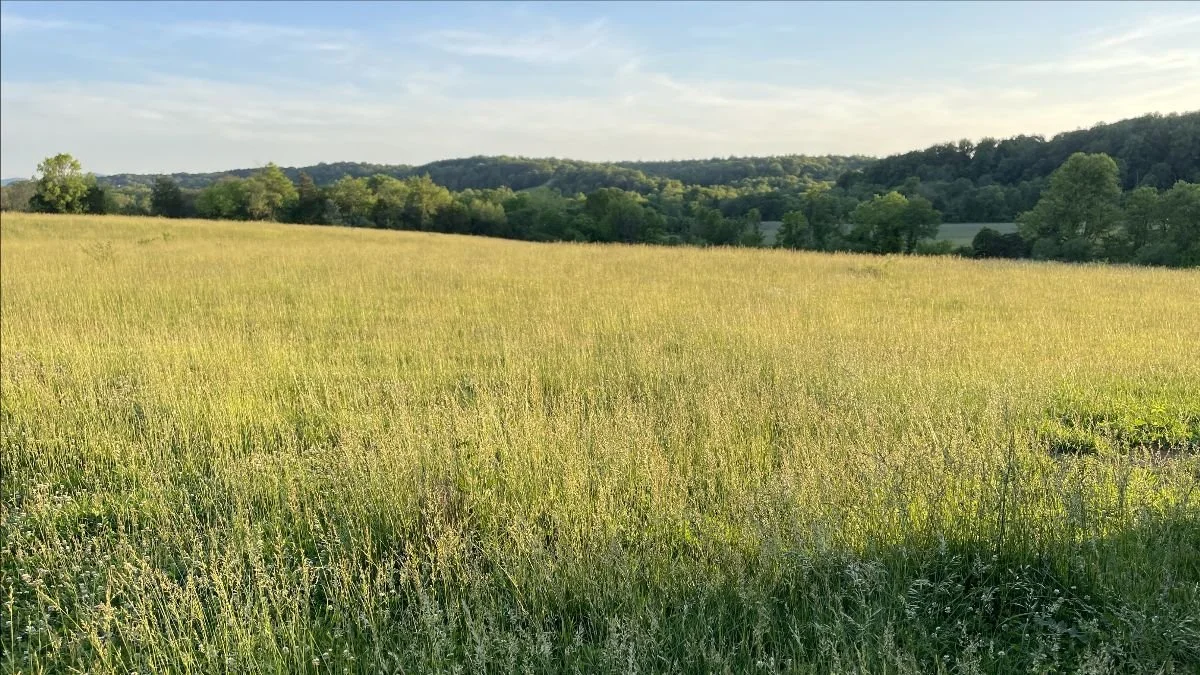
We begin the Hebrew month of Tammuz on Monday night, June 15. According to our mystical tradition, the area of healing associated with Tammuz is sight and seeing. This week, we read in the Torah portion Sh'lach about twelve men (anashim / אֲנָשִׁים) who are sent to "see" (Yaturu / יָתֻ֙רוּ֙) the land of Canaan.
שְׁלַח־לְךָ֣ אֲנָשִׁ֗ים וְיָתֻ֙רוּ֙ אֶת־אֶ֣רֶץ כְּנַ֔עַן
"Send men to tour the land of Canaan."
(Numbers 13:2)
The Hebrew word used for this activity is lator / לָתוּר. It is often translated as "spy" or "scout," but it can also mean "seek," as in this verse that appears earlier in the Israelites' journey:
וַיִּסְעוּ֙ מֵהַ֣ר יְהֹוָ֔ה דֶּ֖רֶךְ שְׁלֹ֣שֶׁת יָמִ֑ים וַאֲר֨וֹן בְּרִית־יְהֹוָ֜ה נֹסֵ֣עַ לִפְנֵיהֶ֗ם דֶּ֚רֶךְ שְׁלֹ֣שֶׁת יָמִ֔ים לָת֥וּר לָהֶ֖ם מְנוּחָֽה׃
"They marched from the mountain of Yud-Hey-Vav-Hey a distance of three days. The Ark of the Covenant of Yud-Hey-Vav-Hey traveled in front of them on that three days' journey to seek out a resting place for them."
(Numbers 10:33)

The scouts and the Ark of the Covenant are engaged in the same activity, described by this word in Torah. I understand 'lator' as holy seeing. In the case of the Ark, it is a seeing that illuminates the best path forward—in this instance, a place of rest. How amazing that rest itself is the goal.
In the case of the scouts, it is a seeing of the truth beneath the surface, of the divinity within the land. It is seeing not only with the eyes, but with the heart and soul, with our deepest embodied knowing.
As the story goes, all twelve scouts saw the same land in its outer form. Yet upon their return, ten advise against entering, while only Caleb and Joshua stand up and declare that it is "very, very good." The repetition of the word me'od / מְאֹד hints at an aspect of holiness within this goodness.
"הָאָ֗רֶץ אֲשֶׁ֨ר עָבַ֤רְנוּ בָהּ֙ לָת֣וּר אֹתָ֔הּ טוֹבָ֥ה הָאָ֖רֶץ מְאֹ֥ד מְאֹֽד׃"
"The land that we traversed and scouted is an exceedingly good land."
(Numbers 14:7)
For Caleb and Joshua, their inner state determined their perception. Because of their faith and connection to God, they perceived holy goodness. Their seeing emanated from their inner being, and that is what they were seeking.
In fact, Caleb is described as having a "different spirit" (ruach acheret / רוּחַ אַחֶרֶת). Last week, my teacher and friend Diane Bloomfield shared a teaching from the Baal Shem Tov about Caleb's name, כָּלֵב (Caf-Lamed-Bet). The name can be read as "like 32." It begins with the Hebrew letter caf (כ), followed by lev (לב), the Hebrew word for "heart," which has a numerical value of 32 in gematria (the practice of assigning numerical values to each letter in the Hebrew alphabet).
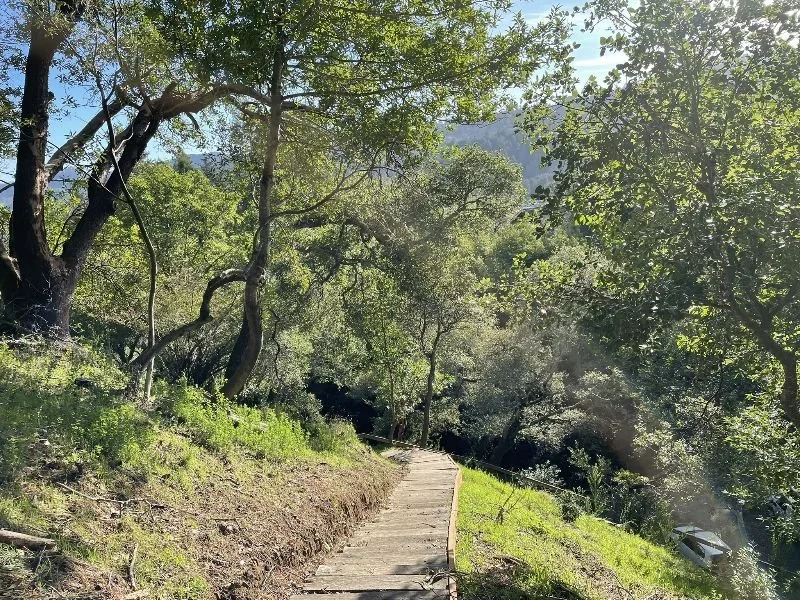
According to the Baal Shem Tov, Caleb was connected to the underlying wisdom of creation: the 32 mystical paths of wisdom described in the opening chapter of Sefer Yetzirah, The Book of Creation, traditionally attributed to Abraham.
Just as Caleb saw into the inward holiness of the land, our embodied spiritual practices invite us to seek the truth beneath the surface of things. We listen inward and sense what is right for our bodies in any given moment. By looking and listening deeply, we discern when to move into a shape and how deeply to go. We sense the difference between an opening stretch that feels nourishing and one that pushes an edge not meant to be pushed.
As my teacher Barbara Voinar says, we must listen to our bodies, not demand from them. We learn to look inward into the landscape of our bodies as a source of deep knowing and holiness.
The month of Tammuz invites us to see with clarity and truth. Yet clear seeing is not always what we want to see. We must cultivate discernment and remember that what we perceive is often influenced by our inner state as much as by what is actually present.
On the same day, I can look at the "land" of my life—my home, my garden, my marriage, my work, my bank account—and see either what is lacking or what is "very, very good," depending on my inner state. On that same day, I can look at my body's limitations and soreness and perceive the holiness within—or not.
My level of seeing is related to what I seek and to my efforts to cultivate hakarat hatov, the practice of recognizing the good.
Directing my mind toward holiness and goodness is a choice, and it is an ongoing practice. As in the story of Caleb and Joshua, our ability to perceive goodness alongside difficulty is deeply influenced by faith and trust in a benevolent force within the universe, which for Caleb, is God.
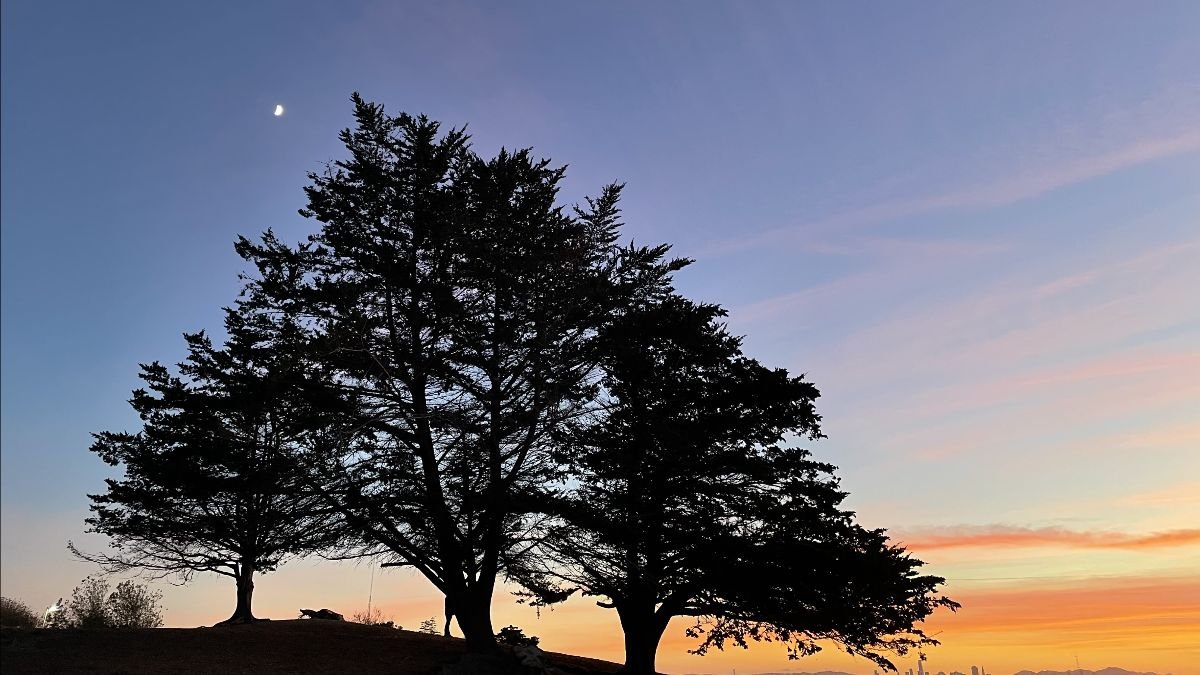
Rav Avraham Isaac HaCohen Kook teaches that physical alignment is deeply connected to spiritual alignment (Orot HaKodesh). In our embodied spiritual practices, we seek alignment with Divinity, with what is holy and true.
Rashi notes that Caleb visited the graves of the ancestors in Hebron before entering the land. His faith and perception were strengthened through his connection to those who carried a deep knowing of the holy purpose of creation: that this world is a place filled with holy Divinity if we seek and see it.
The month of Tammuz ushers us into a season of both summer's intensity and collective mourning. On the 17th of Tammuz, we commemorate the breaching of the walls of the Second Temple in 70 CE, beginning a period of three weeks of mourning leading to Tisha B'Av, the 9th of Av, when the first and second temples in Jerusalem were destroyed.
I can relate to the perspective of the ten fearful scouts. When my seeing is veiled by sorrow, grief, fear, or a lack of faith, I, too, struggle to perceive the goodness within my life. These final weeks of Sivan and the beginning of Tammuz bring multiple yahrzeits for beloved ones I have lost—my father, a best friend, and a cherished pet.
Yet the story of Caleb and Joshua inspires me. Their clear seeing was informed by passionate devotion and a willingness to look beneath the surface. Their faith enabled them to perceive a deeper truth.
As we approach Rosh Hodesh Tammuz, I send wishes for clear seeing through all our senses. May we perceive what is true, holy, and good, even when the circumstances of the world feel troubling and uncertain. May we see through the veils of what appears on the surface, so that with full-hearted devotion we may embody the holy vision our world so desperately needs - a vision through which the wisdom and holiness of creation can shine forth and lead the way.