This past Sunday evening, we entered the Hebrew month of Cheshvan. After the tumult of the series of holidays in Tishrei, we are invited to rest. And, according to Rabbi Jill Hammer’s The Jewish Book of Days, on Sukkot we entered the gate of the earth.
Resting on the Earth
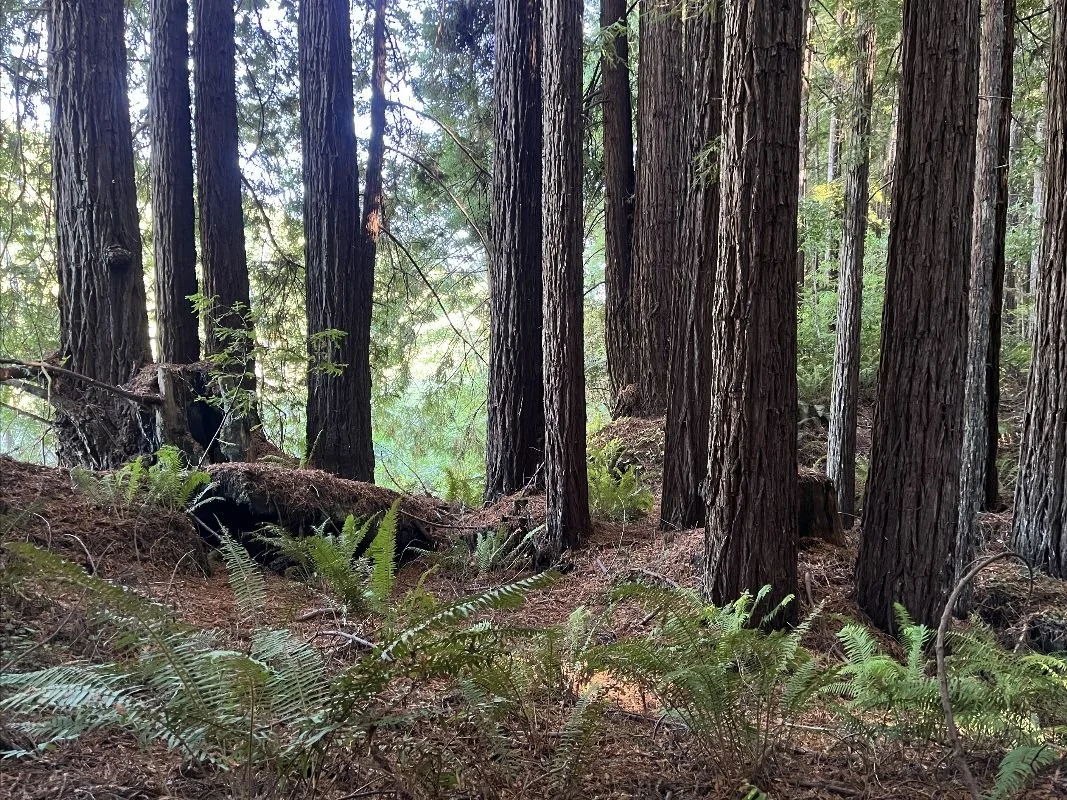
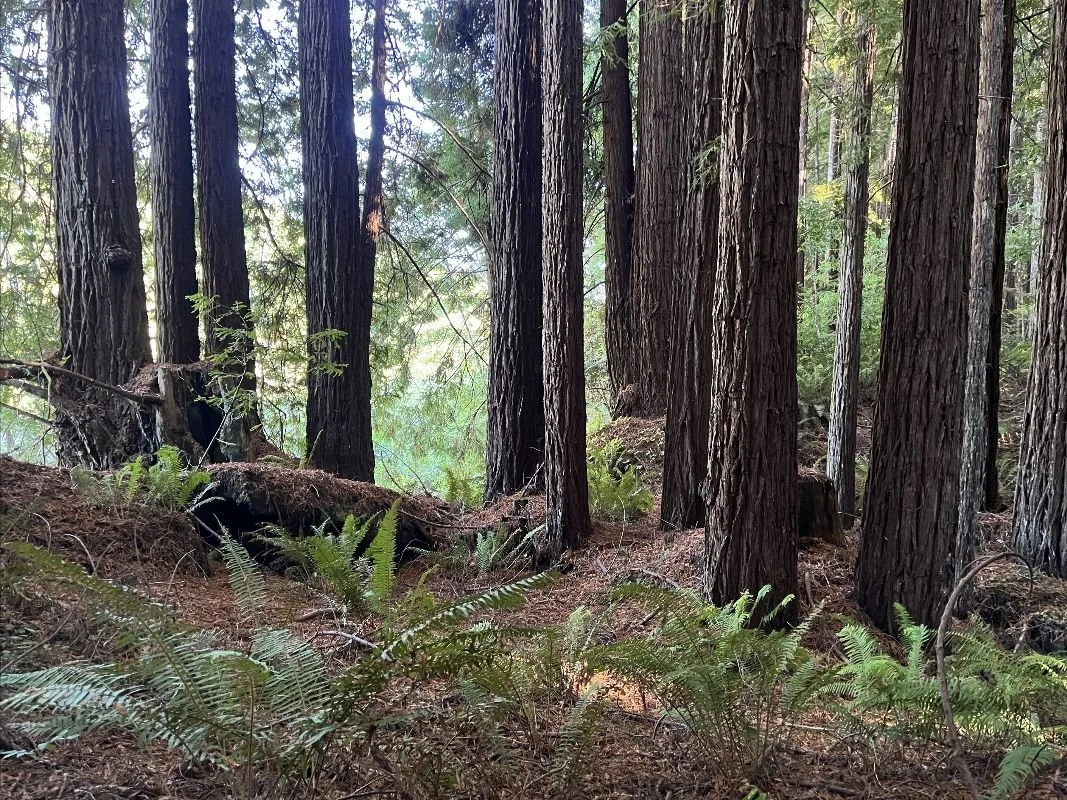
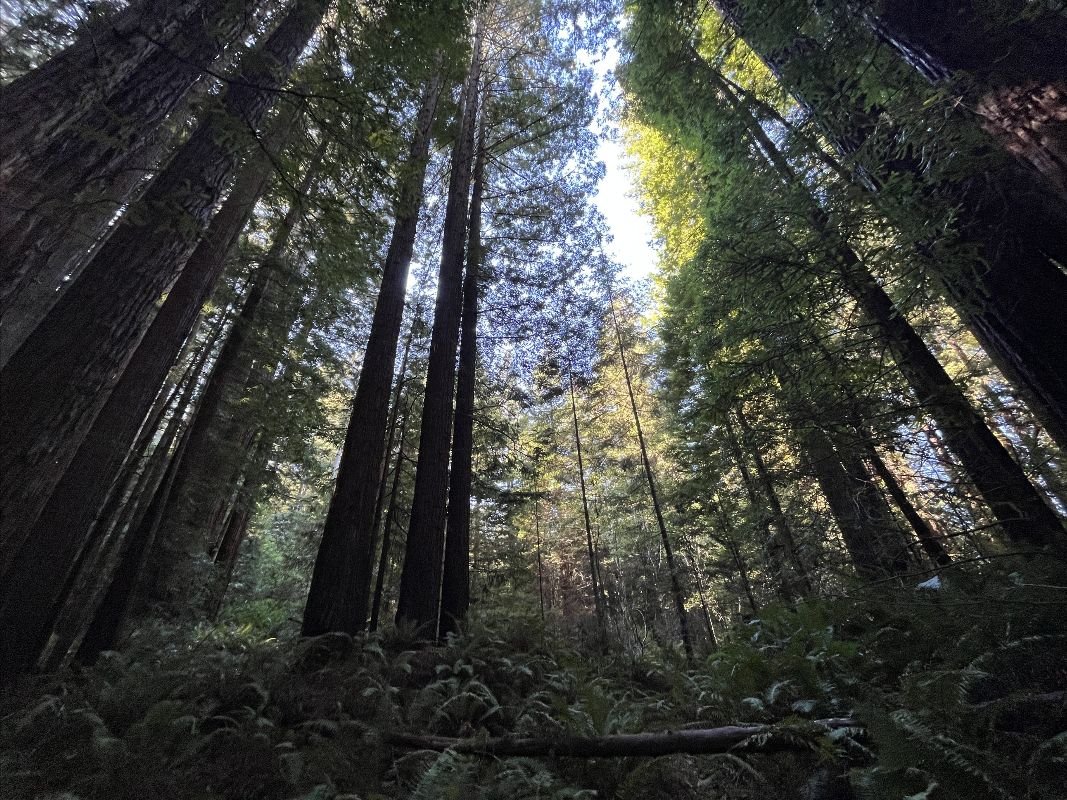
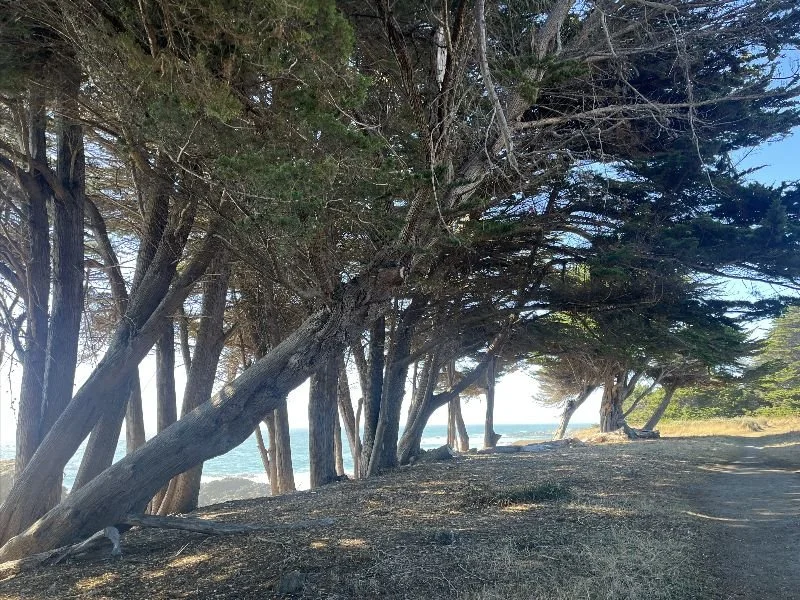
For the past two decades, I have taken myself to the ocean and the redwoods during Chol Ha’Moed/חול המועד, the days between the beginning and end of the holiday of Sukkot. I spend hours with the elements of nature in stillness and rest. At the edge of the water. In beds of fallen redwood leaves. Beneath the towering pines with animal visitors during my morning practice: chipmunks and birds land on the railing of the deck next to me as I sit. It is a time of whole-being decompression, release and rest after the whirl of so much social interaction, teaching, prayer and depth. And since 2020, the week of Sukkot and the following week have been filled with a few significant anniversaries of loss (yahrzeits) for me: those of my own mother, Ruth; my mother-in-law, Carrie; and my beloved pet, Roxy. I take pictures and candles with me to embrace and be with my grief, my longtime companion. But my primary intention during these days of Sukkot has always been to slow down and connect to my eternal self in nature. To embody and mirror the qualities of the elements: rock, earth, sand, sea, sky, bird, tree. (See more writings about my practices of embodying nature and mourning here.)
Rest that connects us to our Source
In the Jewish tradition, different Hebrew words that connote different qualities of rest.
Rest as Shabbat/שַׁבָּת. Shabbat is associated with a pause, a cessation of work. To sit. To settle. But Shabbat/שַׁבָּת is about so much more than 'pausing or stopping our work.' I learned last week from my friend and teacher Diane Bloomfield (in her weekly Torah from Jerusalem class) a teaching from the Sefat Emet quoting the Zohar (Tikkunei Zohar 5b) that the letters of Breishit can be rearranged to spell the phrase "Awe of Shabbat". According to this teaching, Shabbat is embedded in Creation. This deeper aspect of rest was hinted at in the first word of Torah:
בראשית - Breishit
ירא(ה) שבת - Awe of Shabbat
Rest as Menucha/מְנוּחָה. Menucha has the same Hebrew root as Noah (spelled Noach/נֹחַ in Hebrew), about whom we will read this Shabbat. Noach’s name means rest. And it also shares letters with the Hebrew word for comfort, Nechama/נֶחָמָה. Menucha is especially associated with Shabbat, a deep and peaceful rest. According to Rashi, the 11th-century commentator and sage, Menucha was created on Shabbat.
Menucha, however, is a quality of rest that is not ‘napping’ or ‘sleeping’. The Menucha that was created on the seventh day of creation (which is Shabbat) is a quality of deep restorative rest that connects us to our essence and to the innermost inwardness of our being and of creation.
Says the Sefat Emet regarding the first two words in Torah:
“Breishit bara” (בראשית ברא) means every creation (בריאה)
will be connected to the power/potential of the ראשית, and
the beginning of the root, which is the point of Divinity (Hashem)
that gives life and existence to all creation.”
אך זה פי' בראשית ברא שיהי' כל הבריאה דבוקה בכח הראשית והתחלת השורש שהיא נקודה מהש"י שנותנת חיים והוי' לכל הנבראים
- Commentary on Breishit, תרל"ב (1871)
Re-Souled in our Rest
We need to restore and return to our deepest sense of connection to Divinity in order for the world to exist. Shabbat completes Creation and gives possibility and potential for the action of the days of the week. We observe Shabbat not simply because we "need to take a break." When we consciously connect to the point of inwardness, Nikudah Pnimiut/נקודת פנימיות, as described in so many places elsewhere by the Sefat Emet, we are returned to our soul essence. We are re-souled, which is one translation for the word that appears later in Torah, Va’Yinafash/וַיִּנָּפַֽשׁ. This word contains within it the word for soul, Nefesh/נֶ֫פֶשׁ, the level of soul that is connected to action and physicality.
Exodus 31:17
For in six days the Creator made heaven and earth, and on the seventh day the Creator ceased (from work) and was re-souled.
כִּי־שֵׁ֣שֶׁת יָמִ֗ים עָשָׂ֤ה יְהֹוָה֙ אֶת־הַשָּׁמַ֣יִם וְאֶת־הָאָ֔רֶץ וּבַיּוֹם֙ הַשְּׁבִיעִ֔י שָׁבַ֖ת וַיִּנָּפַֽשׁ׃
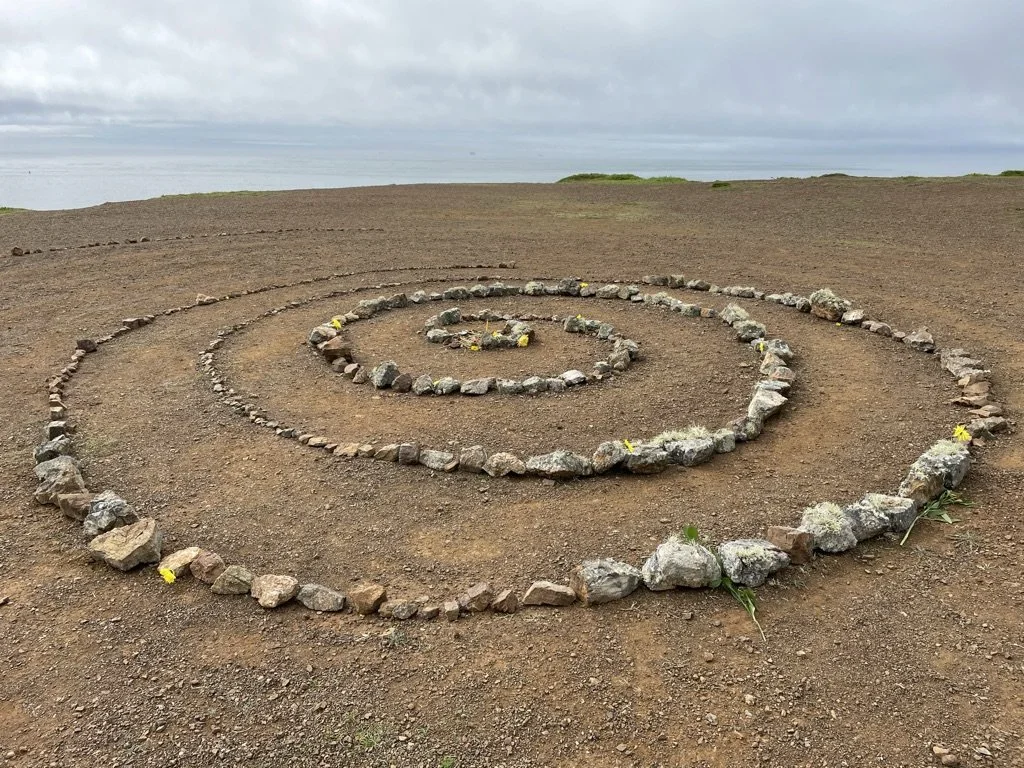
Resting in the Earth
According to Rabbi Jill’s book cited above, in her gorgeous Midrash that divides the Hebrew calendar into eight segments of the year that align with eight parts of a tree, from 15 Cheshvan until the end of Kislev is the time of roots. And the movement is descent. “The first motion of the year is stillness. The stillness of a seed preparing to grow.” (p. 27). “The second motion of the year is descent: the descent of the roots into darkness.” (p. 75).
In our embodied practices this week, we have focused on sensing the parts of our bodies that are in contact with the earth. Resting or moving with awareness of our connection to the earth, welcoming gravity as a grounding and reliable resource, can be incredibly calming to our nervous systems. And at the end of our Sacred Dance Circle, as always, we took the time to let ourselves drop into Menucha, a deep rest that is connected to the Source of all life.
In our EJW Network Cheshvan gathering this month, we were guided by Karen Cohen-Gibbons to arrive at the empty pages of our journals with awareness of the blank page as it reflected the stillness and quiet of Cheshvan. And we were guided by Reb Simona Aronow in an extended Authentic Movement practice to move from within, guided by our own inner point of connection, our Nikudah Pnimiyut/נקודת פנימיות, in a quiet space, in stillness, in movement, in community.
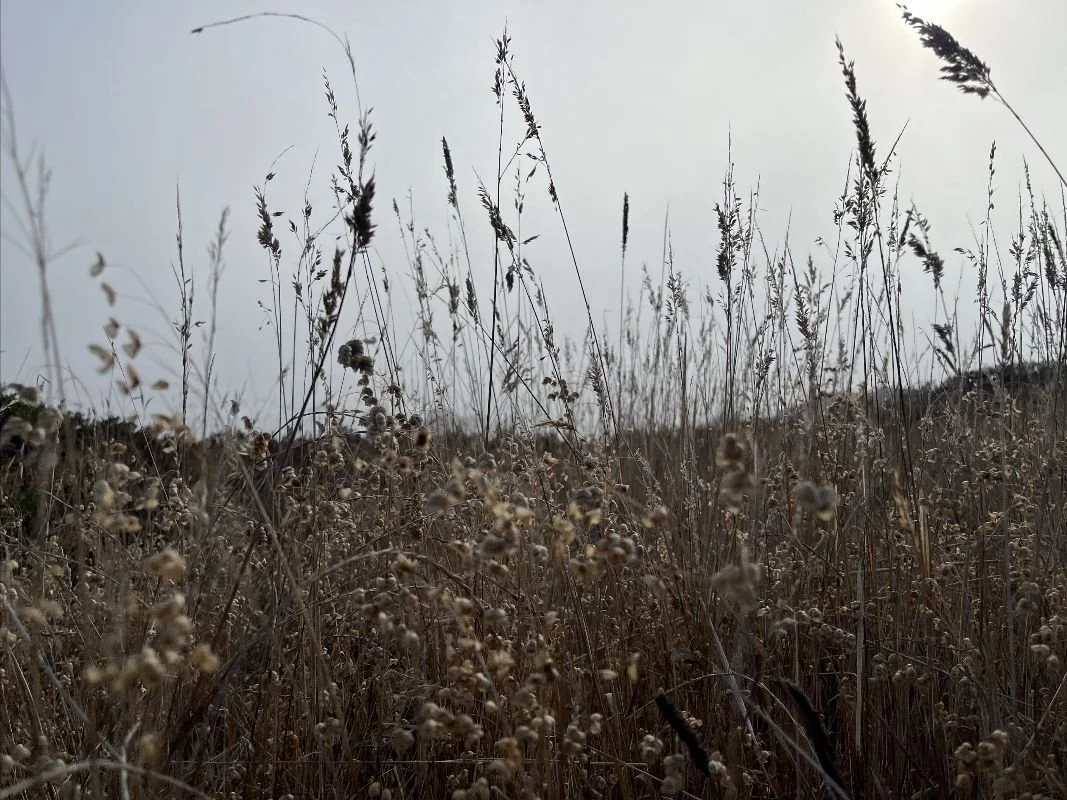
At the end of her life, my teacher Anna Halprin began to choreograph dances in which the dancers rested and rolled in soil, dark ground, deep in the earth. A friend said, "I think she’s preparing to die." And when a close friend, who took his own life, was placed into the earth in a lightly woven basket coffin, the thought occurred to me, “Now he can rest. This is where he wanted to be.”
Every morning, I sit in my yard, in the shade of a tree above me and with views of trees near and far. When I first moved here, I felt deeply comforted to sit close to the earth, the soft curly willow leaves on flexible branches floating above me, and the soft and green grass laid out before me. The graves of my beloved pets are in the yard within view, marked by pink and purple salvia bushes that change with the seasons.
As I revel in the beauty of the earth that surrounds me each day, I am acutely aware of the cycles of birth and death, of the fragility and uncertainty of life. I sit with the hummingbirds, blue jays, crows, squirrels, and the changing temperatures, breezes and skyscapes.
The gate of the earth is the gate where we enter and to where we depart as embodied souls. (Breishit 2:7) And as our bodies shift and change, we are inside the realm of time, the days of creation, the world of action and activity. But the possibility for connection, rest and restoration on the deepest of levels is hopefully, and thankfully, available to many of us during our days if we can find (not everyone can) a way to take the time to “get horizontal", my favorite term for lying down to rest.
As we enter Cheshvan and approach the gate of earth, may we find moments to feel the ground beneath us and allow ourselves to be supported. Whether we are sitting beneath a tree, resting in our homes, taking a short walk or pausing for a few breaths in the midst of a full day. As we inhale, may the expanse of our lungs create more space inside to embrace and feel all that we are feeling. And as we exhale, may we settle and connect to the earth, and to the deep rest that reconnects us to our Source.